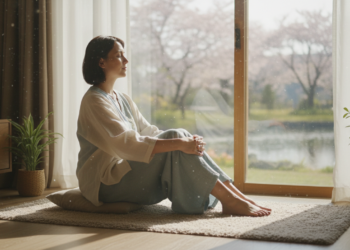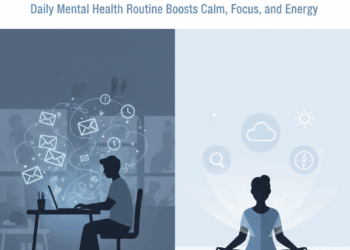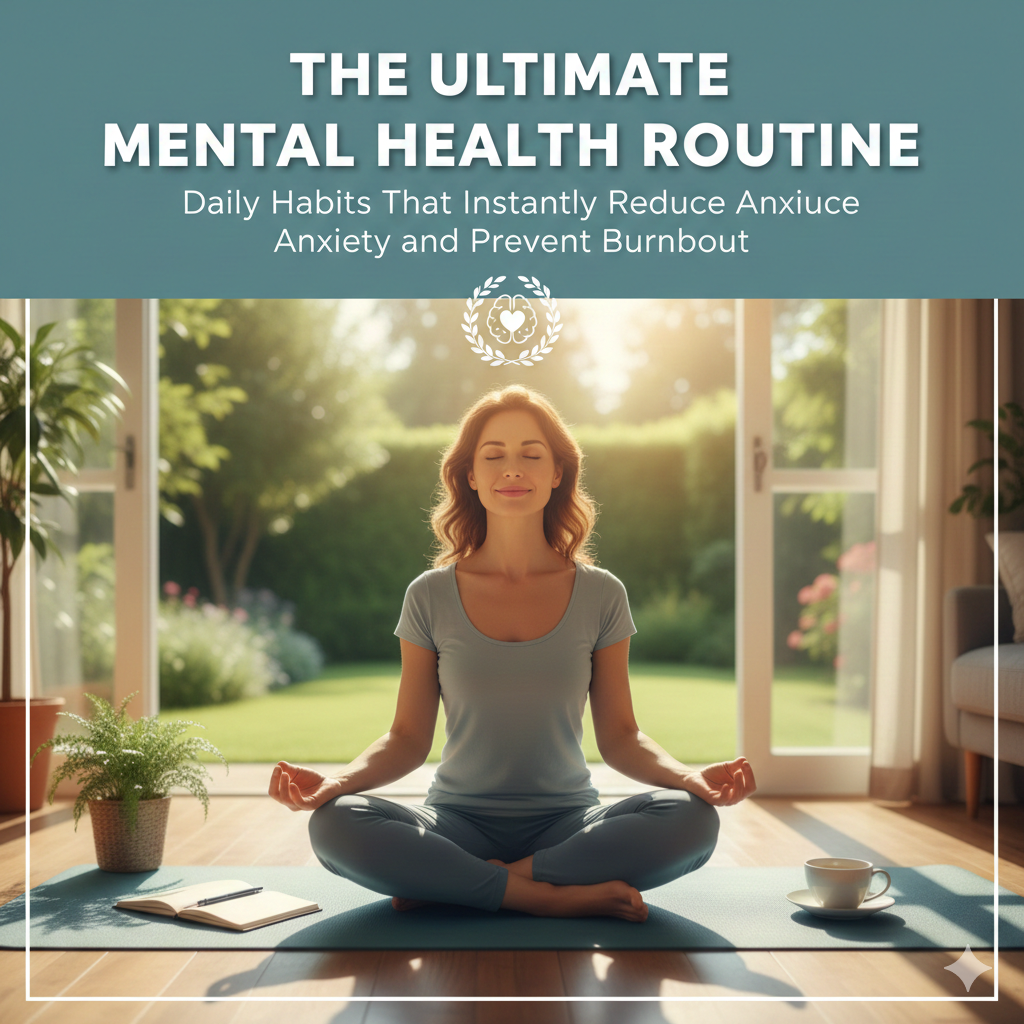
Modern life it’s exhausted, sometimes. People get overwhelmed really easy. And that piles up, right? More anxiety and ore burnout. A good mental health routine isn’t some fancy extra. It’s vital, and keeps you together. Builds you up. We’ve seen it: small, real steps. They cut stress, more time, help you balance, and find your footing.
Understanding Daily Habits for Mental Well-being
Think of a good mental health routine. It’s not about putting out fires. It’s about not starting them. Proactive. That’s the word. Intentional actions. Steps you take. For your mind. Your feelings. Your whole headspace. Like working out for your body. Same idea. Especially for people 26 to 40. That age? Career. Family. So much pressure. These habits? They’re your shield. Stop that gnawing stress. The kind that ends in burnout. Stick with it. And daily stressors? They just bounce off. You see things clearer. Stay steady.
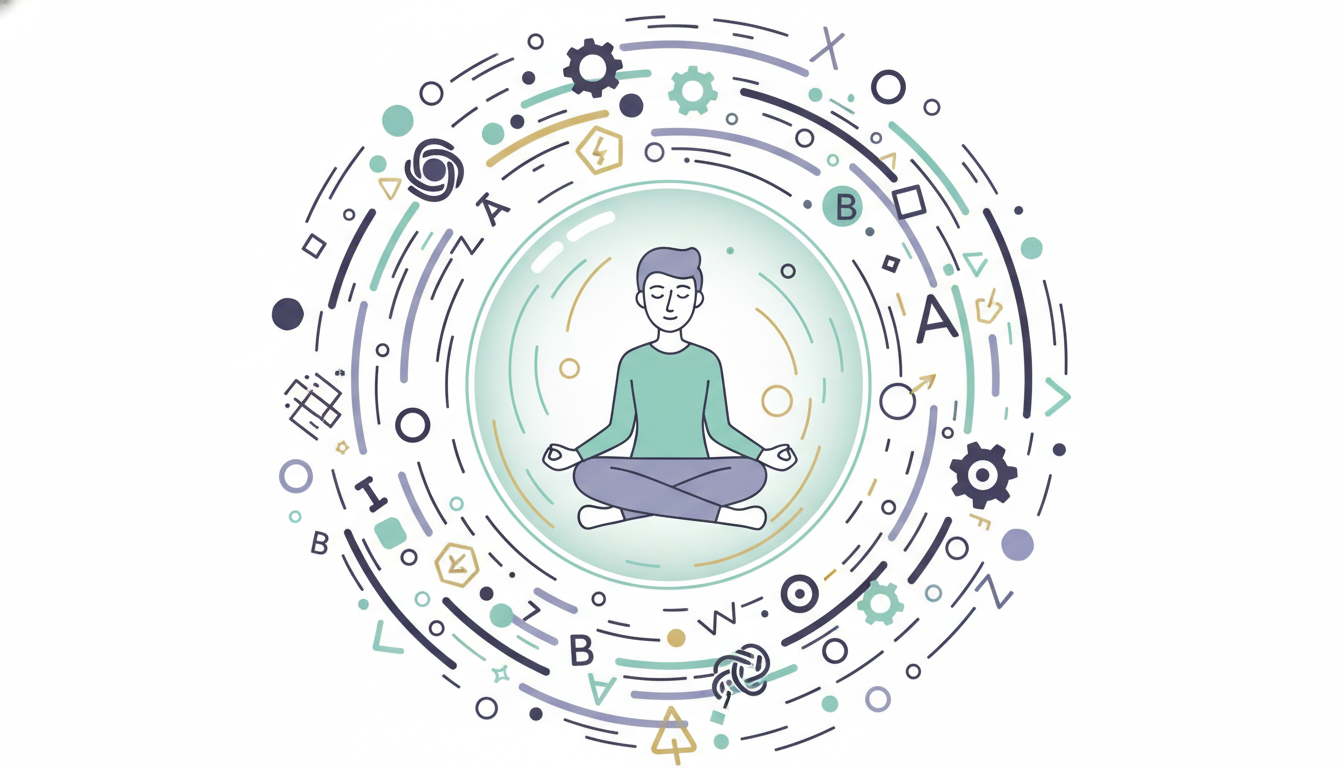
Key Pillars of an Effective Mental Health Routine
Building a solid routine. It hits different parts of your day. Everything. We saw it. Best results come from tackling things from all angles. Really. It helps keep anxiety down. And you get tougher. Bit by bit.
Mindful Movement
Move your body. Even a little. Powerfully fights stress. Not about hitting the gym hard. Just move. On purpose. Try it. Twenty minutes. A quick walk. Some easy yoga. Maybe just stretch. The point? Get rid of that physical tightness. Get those good endorphins going. Better mood. Clearer head. Movement. It breaks the loop. That constant overthinking. The one that feeds anxiety.
Structured Reflection
Think about thinking. Give it a slot in your day. Just for reflection. Cuts down the noise in your head. A lot. Grab a journal. Write for ten, fifteen minutes. Or list what you’re grateful for. Even a short meditation. The goal? Work through your thoughts. Your feelings. Don’t judge them. Just see them. Builds self-awareness. Gives you perspective. We’ve found this: just a few quiet minutes. It can totally reset you. For the whole day.
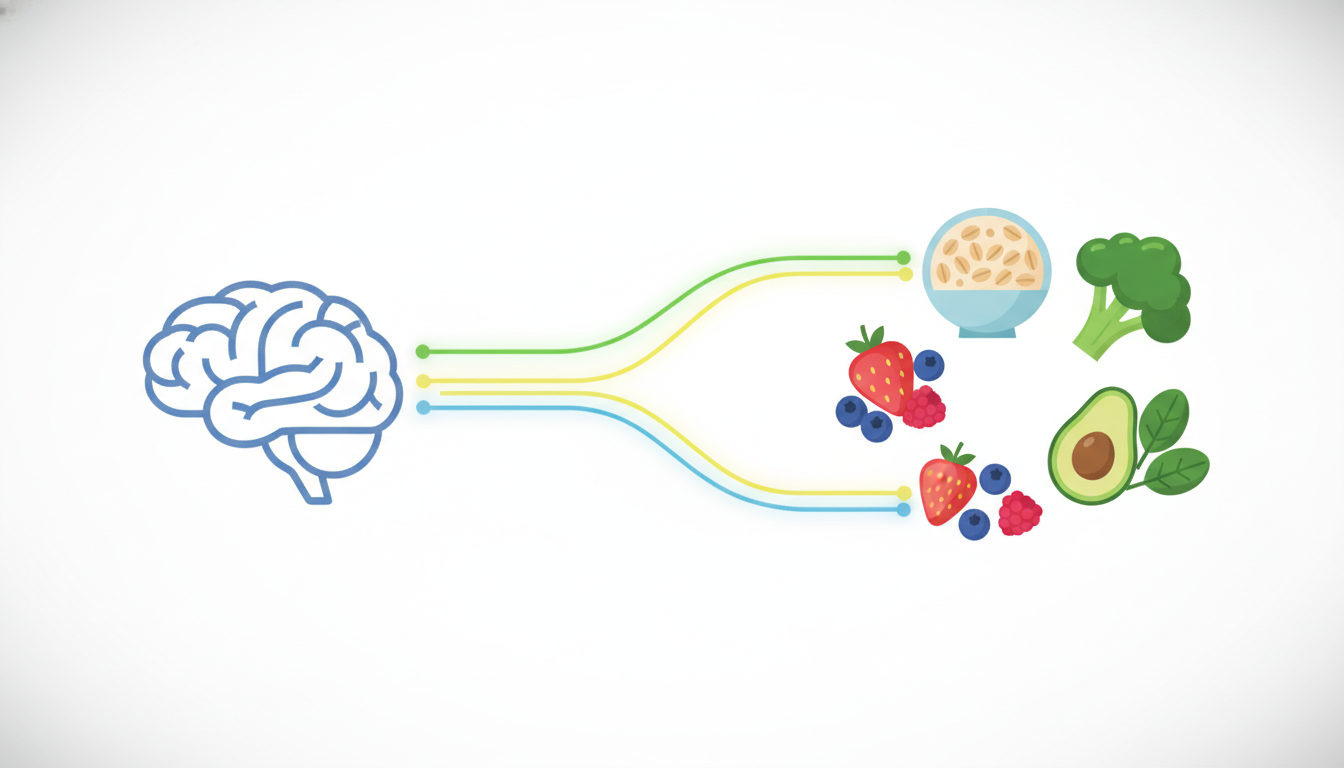
Nutritional Awareness
Your gut. Your food. Your mood. It’s connected. More and more we see it. Clear as day. A mental health routine? It often means eating smart. Eating mindfully. Balanced meals. Whole foods. Think lean protein. Good fats. Cut back on processed stuff. Too much sugar, caffeine? Not good. We know this: steady blood sugar. Enough nutrients. Essential for your mood. For your energy. Straight up affects anxiety.
Quality Sleep Hygiene
Sleep. You need it. Non-negotiable for your mind. Period. A good routine means steady bedtimes. Waking up around the same time. Every day. Make your bedroom a sleep sanctuary: dark. Cool. Quiet. No screens before bed. Seriously. Not enough sleep? Makes anxiety worse. Messes with your head. Harder to deal with things. We’ve seen it: people who sleep well? They feel less stressed. Much less.
Digital Detox Boundaries
Always connected. Always on. It’s tough. So, drawing lines with your tech? Super important. This means screen breaks. Scheduled. Turn off alerts. During certain hours. No work emails after a specific time. You get it. Constant pings. Too much info. It keeps you on edge. All the time. Ramps up anxiety. Set those digital rules. Get your time back. Get your head space back.
How to Choose Your Mental Health Routine Elements
Your mental health routine. It should be yours. Really think about it. Here’s what to consider. To pick. To make it happen:
- What do you really need? Be honest. Look at your mental health. What’s the biggest issue? Sleep? Constant anxiety? Can’t focus? Figure out your main problem. That tells you what habits to try first. Prioritize.
- Go small. Then grow. Trying to change everything? Too much. Way too much. Pick one or two things to start. Just a couple. Maybe a 10-minute mindful walk. Or 5 minutes writing in a journal. When those click? Add more. Slowly.
- Look at your life. Your schedule. A routine only works if you can keep doing it. Find habits that actually fit. Into your day. An early bird? Morning meditation makes sense. Night owl? Evening reflection might be better. Tailor it.
- Get help if you need it. Self-help? It’s strong. No doubt. But it’s not therapy. Not a replacement. If anxiety or burnout sticks around? Even after you try hard? Talk to someone. A therapist. Counselor. Mental health pro. Essential. They give you specific tools. Find what’s really going on.
- Stay loose. Roll with it. Life changes. Your routine should too. Some days? You’ll miss things. It happens. Don’t beat yourself up. Aim for consistency. Not perfection. Be good to yourself. Adjust as things come up. Don’t just quit. Adapt.
https://aenfis.com/cloud/pkvgames/
https://aenfis.com/cloud/dominoqq/
https://cheersport.at/doc/bandarqq/
https://cheersport.at/doc/dominoqq/
https://cheersport.at/doc/idn-poker/
https://cheersport.at/about-us/
https://www.trg.pt/Apostila/bandarqq/
https://www.trg.pt/Apostila/dominoqq/
https://sgmwmultifinance.id/
https://www.sna.org.ar/
https://intechnews.com/
https://science.clemson.edu/scinet/