Anxiety – this constant worry, this nagging feeling of discomfort. For many people, however, it isn’t an experience that lasts for just a moment; no, it can be extreme and constant. In fact, yes, it does have consequences. While anti-anxiety drugs help those who suffer from them, more and more people are choosing alternative options instead.
Luckily, there are easy methods with the support of doctors that make a huge difference. These methods help develop habits to support the mind and body – without any need for medication. People take comfort in balanced methods and gain confidence to control their feelings. This is more important than it looks.
Understanding Anxiety: What It Is and Why Natural Methods Help
Anxiousness brings more than feeling sad. Anxiousness is the experience of being perpetually and overwhelmingly concerned. Symptoms manifest physically. Examples of these effects of anxiousness are the increase in heart rate, sweating, problems concentrating, and mental anguish. One thing that is appealing about taking the natural route is that the strategies target the source.
Developing mental equilibrium will assist in building an optimal response within your body. The gentle method will trigger fewer problems. Evidence proves it helps make a difference.
Mind-Body Techniques for Managing Anxiety
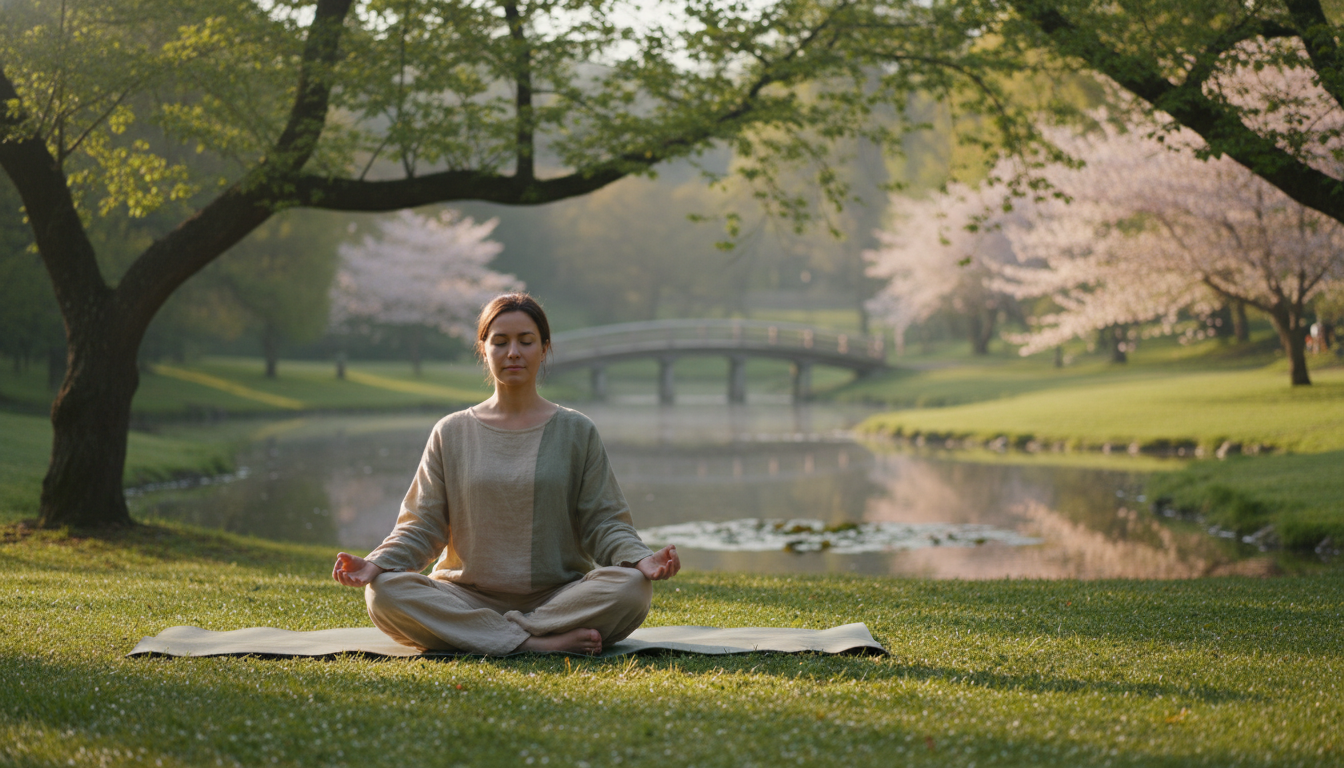
Mind and body techniques are also useful in decreasing anxious feelings. Because mind and body techniques enhance thought and body feeling connections. Slow breathing, for instance, activates your body’s relaxing centers. This immediately triggers feelings of relaxation in you and thus reduces physically manifested worries.
Mindfulness involves staying in the present, which does wonders for distancing yourself from anxious thoughts. Sound simple? Well, actually, it does make a difference when it comes to staying calm under the pressure of a deadline. Yoga involves movement and breath control, which, it turns out, helps lower your levels of cortisol, a hormone associated with stress. As a consequence of all this, your emotions end up balancing out.
Lifestyle Adjustments for Reducing Anxiety
Want to reduce anxiety? Start with small actions with big impact on a regular basis. Adequate quality sleep is extremely valuable; cut back on sleep, and anxiety can worsen. Maintain consistent sleeping and waking times regardless of the day. Activities with a calming effect on the body prior to sleeping can calm the mind. These two things are critical in getting the desired outcome.
Staying active, such as fast walks or jogging, will also keep your anxiety levels low. This activity increases endorphins, a kind of chemical that enhances your mood. Cutting back on coffee or alcohol-containing drinks, instead of looking forward to them, will also make you less anxious.
Nutritional Approaches and Supplements for Calmness
Food also influences how you feel inside. This notion is a strongly grounded one. Consuming a good deal of natural things like fresh vegetables, nutritious proteins, and purified grains and so on can make your brain work properly. In that way, when blood sugar levels are stabilized through proper eating habits, mood swings may occur less often, and thus, feeling anxious gets reduced.
Fish and flaxseed have omega-3 fatty acids that could alleviate one from anxiousness since they have anti-inflammatory qualities. Always consult a physician before taking these supplements. Magnesium is also involved in maintaining the chemicals in the brain to calm the mind. L-theanine found in green tea promotes relaxed focus.

Final Thoughts
An anxiety-free life is achievable without medication. This is made possible by the effective use of tried and tested ways on how it is recommended. Mental and physical strategies together with incremental adjustments in daily activities help ease the feeling of being nervous. A balanced diet is an added positive aspect. Enjoyment in life is experienced in this way.